Only masochists enjoy pain.
For the rest of us, we tend to do everything in our power to avoid pain at all costs. So, if you experienced trauma in the past, especially childhood trauma, it’s completely natural to wish you could simply eliminate the pain and suffering you experienced in the past so that you could make peace with the past, live happily in the present and look forward to a bright future ahead.
Well, what if I was to tell you that all of this was absolutely possible and it was simply a matter of letting go, a process by which you let go off all the pain you experienced in the past whilst retaining all of the priceless wisdom you acquired as a result of both experiencing your trauma and then navigating your way through life having had experienced your trauma.
If it all sounds too good to be true, let me first explain what letting go is and what it involves.
Letting go is both an emotional skill and a deliberate practice. It is not just a decision you make once—it is a technique you learn, a process you repeat, and a discipline you develop over time.
If you find yourself stuck—financially, emotionally, or physically—it is not just a personal failure. Chronic procrastination, emotional avoidance, excess weight, or mounting debt are often symptoms of deeper emotional patterns rooted in those early trauma bonds. When you do not feel worthy, you unconsciously recreate situations that affirm those feelings.
Letting go means becoming aware of these patterns—and choosing not to stay in them.
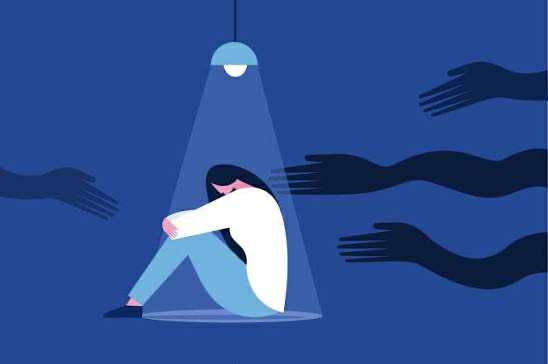
Trauma bonds typically originate in childhood. Many of us grow up in dysfunctional environments where we are abused, manipulated, or forced to take on adult responsibilities too early. We lose our innocence, are made to feel unworthy, and often live in states of chronic stress and hypervigilance.
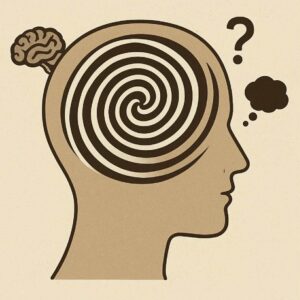
These early experiences condition us to feel overwhelmed and anxious, which we carry into school, relationships, and adult life. If you are diagnosed with a disorder like ADD or ADHD, for example, the root cause is unresolved trauma which has negatively shaped the way you unconsciously think and behave, which has a huge impact on the actions you take, the decisions you make and the results you get in life.
So if you are unhappy with the results you are getting in your life, it’s most likely because both your body and mind are holding onto trauma which needs to be resolved so that you can achieve the success and happiness in life you both want and deserve.
Most people live in a cycle of good intentions and poor execution. They start projects, businesses, or healing journeys, only to quit soon after. This inconsistency stems from emotional instability—shaped by trauma, reinforced by fear, and sustained by avoidance. If you are not achieving your potential, not being paid what you are worth, or avoiding responsibility, it likely traces back to low self-esteem formed in those early, painful environments.
The process of letting go is emotional, not physical. It is not about pushing feelings away—it is about facing them with acceptance. You allow yourself to feel anger, rejection, sadness—not to dwell in them, but to acknowledge and release them. This kind of emotional honesty breaks the cycle of repression and creates space for healing.
Unresolved emotional pain can manifest physically. Chronic stress, back pain, digestive issues, autoimmune conditions—these can all be physical symptoms of emotional strain. When your nervous system is stuck in fight-or-flight mode, your body and brain suffer. Brain fog, memory lapses, and poor decision-making are not character flaws—they are signs your system is overwhelmed.
Letting go requires consistent, committed effort. It is not enough to listen to podcasts or read self-help books. You must change your behaviours, your thought patterns, and your language. It demands daily practices—like mindful breathing, meditation, and self-hypnosis—that retrain your nervous system and emotional responses.
Very few people truly commit to this work. It is uncomfortable. It means facing long-held pain, admitting your own patterns, and choosing a new way—day after day. But anyone can do it. Letting go is not reserved for the elite or the enlightened; it is available to anyone willing to take responsibility and follow through.
This process will test you. You will be tempted to quit, to go back to what is familiar, even if it is painful. But staying in that loop only compounds the years of struggle. If you want to change your life, you must begin changing what you do daily.
Many people live their entire lives in anxiety, fear, and doubt. It becomes a default emotional state—a career in suffering. But any moment can be a turning point.
Letting go is a commitment. It is a choice to stop carrying what no longer serves you.
When you commit to this path, your energy shifts. You stop wasting time overanalysing, second-guessing, and trying to control everything.
You begin to experience peace, flow, and presence. And you will wonder why you spent so long resisting.
We have all had moments of joy—watching a sunset, visiting a peaceful place, laughing with loved ones. In those moments, we forget our pain and connect with something greater. That is consciousness. And it is not random—you can live that way intentionally.
Letting go helps you detach from outcomes and people without fear or anxiety. You are not begging people to stay, not fearing rejection or abandonment. You are present, diplomatic, calm.
You no longer attract conflict or chaos because you are not operating from emotional survival.
If you grew up with trauma—violence, addiction, shame—you likely live in a constant state of hyperarousal. This causes memory issues, confusion, impulsivity, and fear-based behaviour. But it is not permanent. You can rewire your brain. Through breathwork, meditation, and emotional discipline, you can shrink the amygdala, expand the prefrontal cortex, and begin making conscious, grounded decisions.
The stories we carry—about debt, weight, failure—are reflections of emotional burdens. The answer is not to suppress them or get rid of them. It is to understand them, feel them, and let them go. Control is not the solution; surrender is.
We are meant to love, to feel, to connect. Not to live in constant conflict or self-hate. When you stop blaming yourself and others, when you accept what happened without becoming the victim, you begin to heal. You can let go of shame and secrecy. You can separate your identity from your pain.
Letting go is liberation. It is separating your feelings from the events that caused them. It is choosing to live with awareness, compassion, and calm energy. It is a skill that benefits not only you, but everyone around you. You can teach it to your children. You can model it in your relationships.
It is not complicated. Breathe. Release. Let go.
Accept. Forgive. Be grateful. Live one day at a time.
When provoked, do not react—breathe. Learn to pause. Your body’s fight-or-flight response does not have to rule your life. You are not broken—you are conditioned. And conditioning can be changed.
As you begin to let go, you change your frequency. You stop living in chaos and start living in clarity. You stop asking, “What’s wrong with me?” and start knowing, “I understand.” You move from confusion to calm, from overwhelm to peace.
Letting go is the path from survival to freedom—and it is available to you, NOW.